
Share


Jasmalnathji Mahadev Temple, Asoda – History, Architecture & Travel Guide
09/02/2026
Introduction
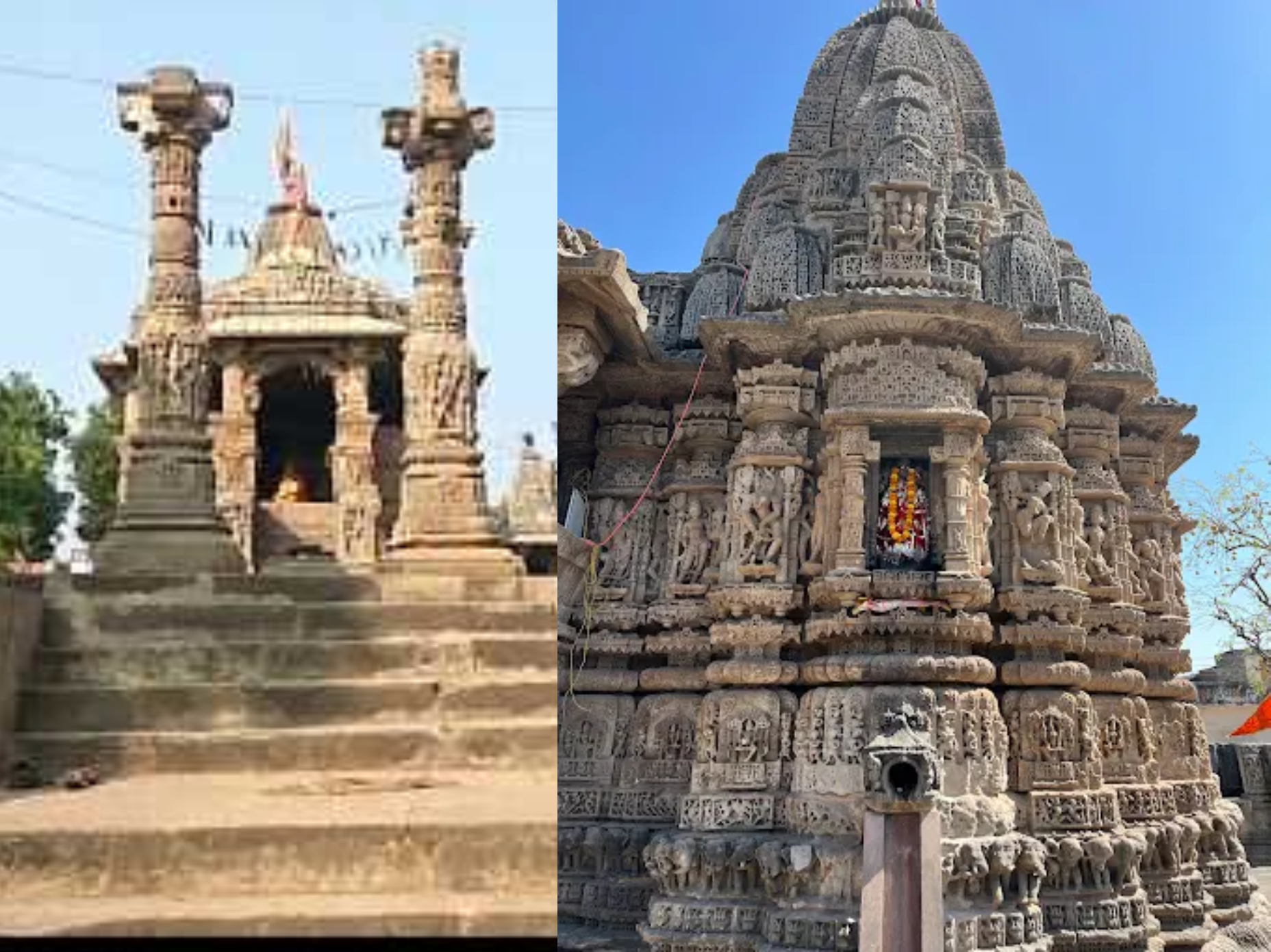
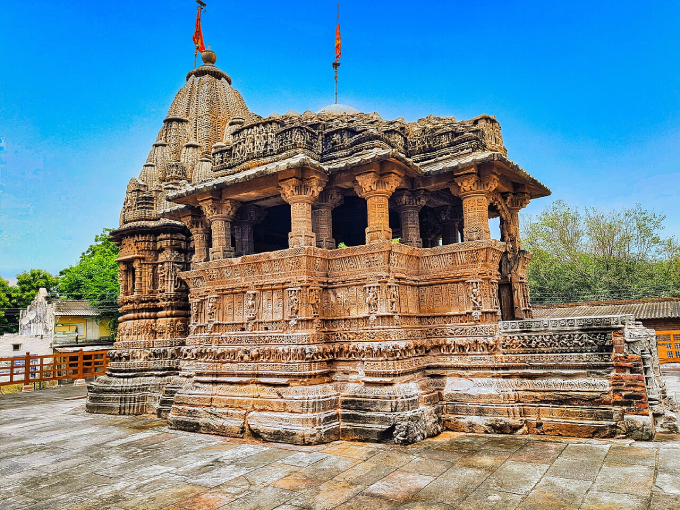
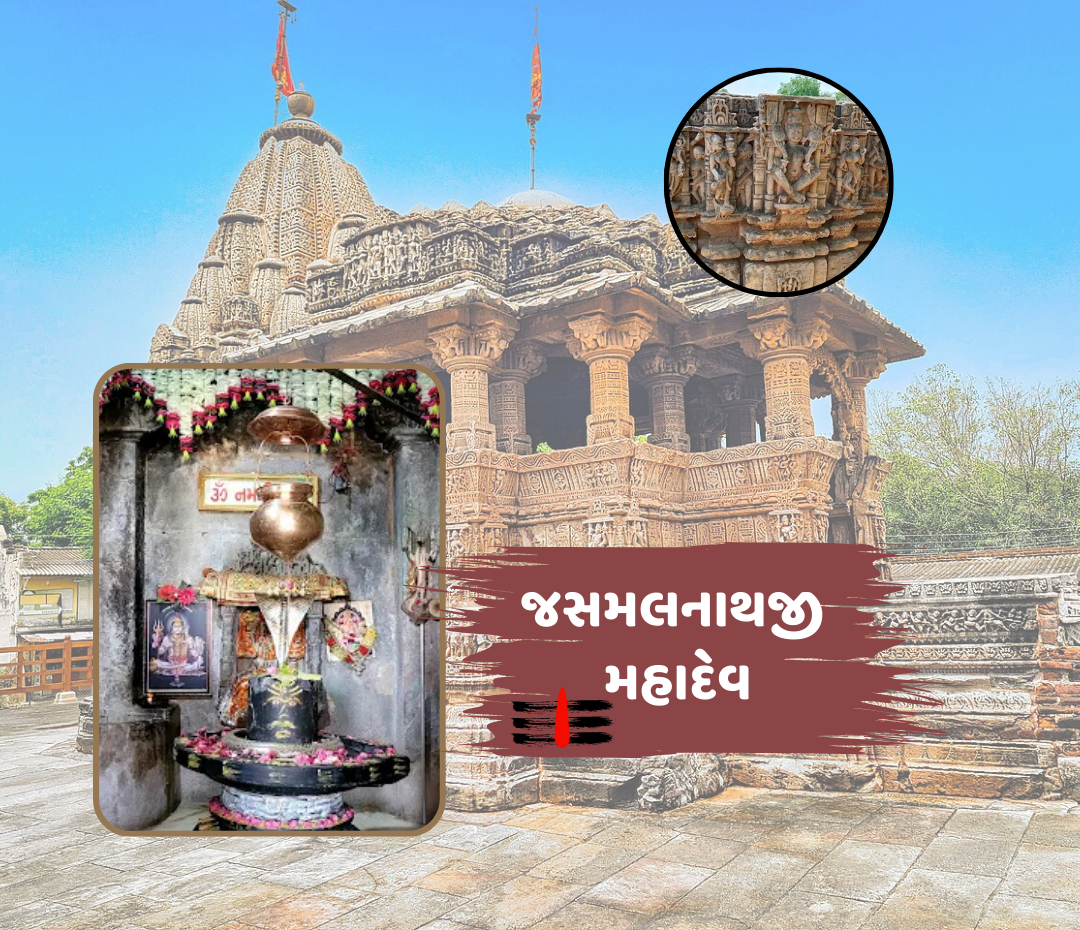
Jasmalnathji Mahadev Temple, situated in the peaceful village of Asoda in Mehsana district, Gujarat, is one of the state's least-known yet historically rich Shiva temples. Built during the Solanki (Chaulukya) period, this ancient temple stands as a silent witness to Gujarat's golden era of temple architecture.
History
Jasmalnathji Mahadev Temple dates back to the 12th century CE, during the reign of the Solanki (Chaulukya) dynasty — one of the most powerful dynasties of Gujarat.
Historians believe the temple was constructed during the time of King Jayasimha Siddharaja or King Kumarpal, an era considered the golden age of temple construction in Gujarat.
Due to its immense historical and architectural value, the temple is now protected by the Archaeological Survey of India (ASI).
Unique Architecture – Rare Panchayatana Layout
What truly sets Jasmalnathji Mahadev Temple apart is its Panchayatana architectural style, which is extremely rare in Gujarat.
The layout includes one main shrine dedicated to Lord Shiva and four smaller subsidiary shrines at the four corners, representing cosmic balance and spiritual harmony.
Maru-Gurjara Architectural Style
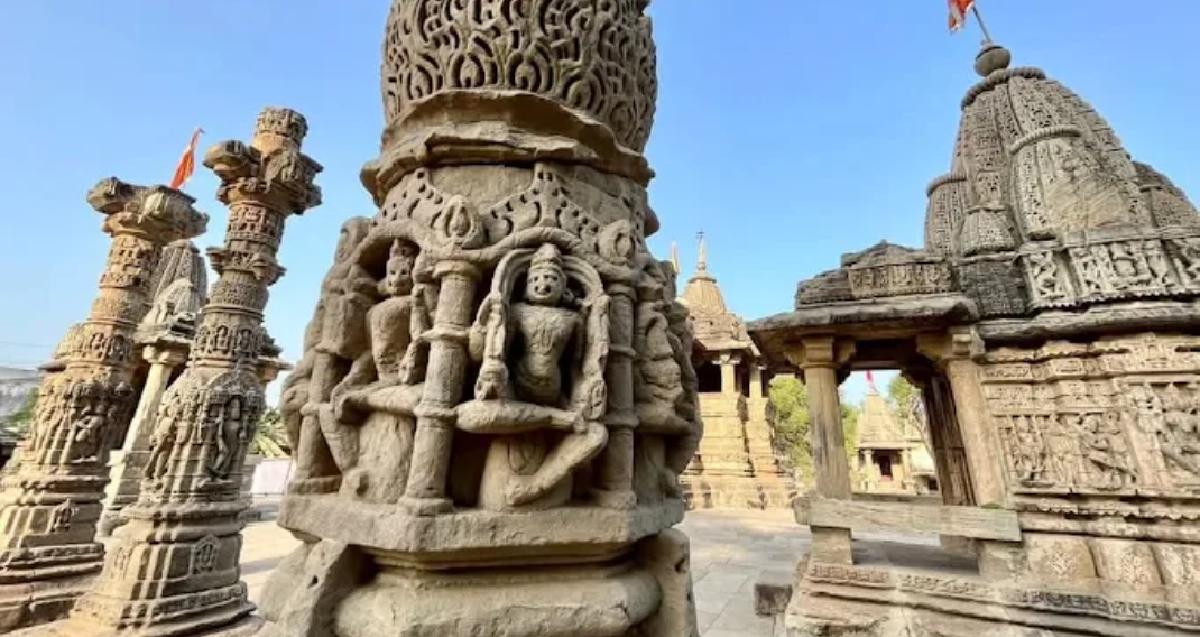
- Intricately carved stone pillars
- Ornamented ceilings
- Sculptures of gods, goddesses, and mythological figures
- Floral and geometric motifs
Spiritual Significance
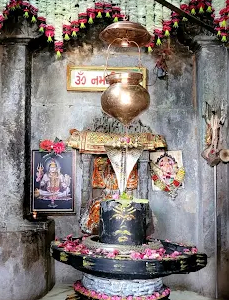
Jasmalnathji Mahadev is worshipped as a powerful manifestation of Lord Shiva. Devotees believe the temple blesses them with mental peace, inner strength, and protection from negative energies. Local villagers have deep faith especially during Shravan month and Mahashivratri.
Darshan Timings
Temple Opens: 6:00 AM
Morning Aarti: 6:30 AM
Evening Aarti: 6:00 PM
Temple Closes: 7:00 PM
How to Reach
- Road: Asoda village is in Mehsana district, accessible via Mehsana–Visnagar road
- Rail: Mehsana Railway Station (~25 km)
- Air: Ahmedabad Airport (~80 km)